Overview

Leveraging food biotechnology breakthroughs to address micronutrient insecurity while enhancing food security, sustainability, and affordability.
Microbial Cell Engineering

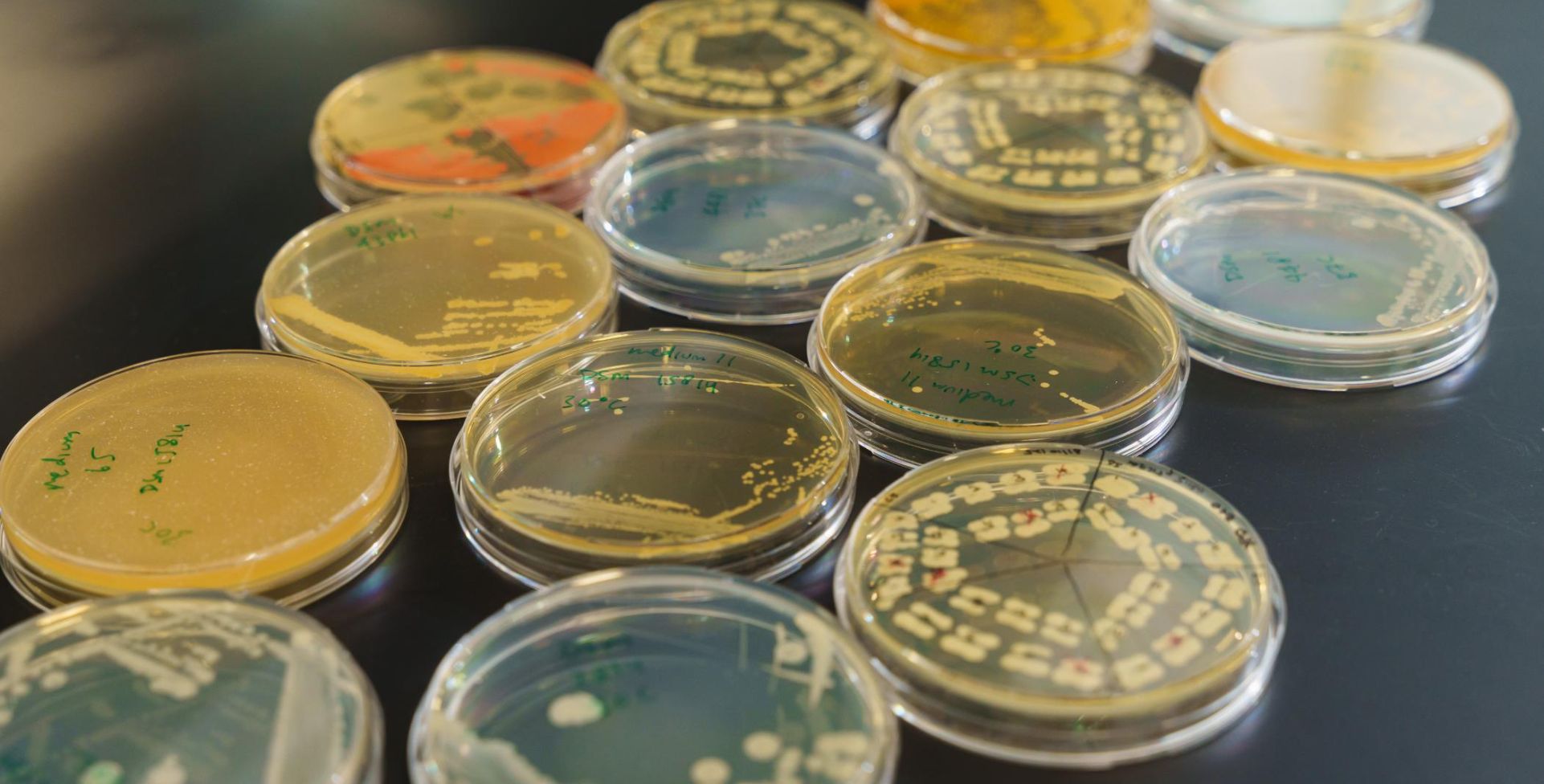
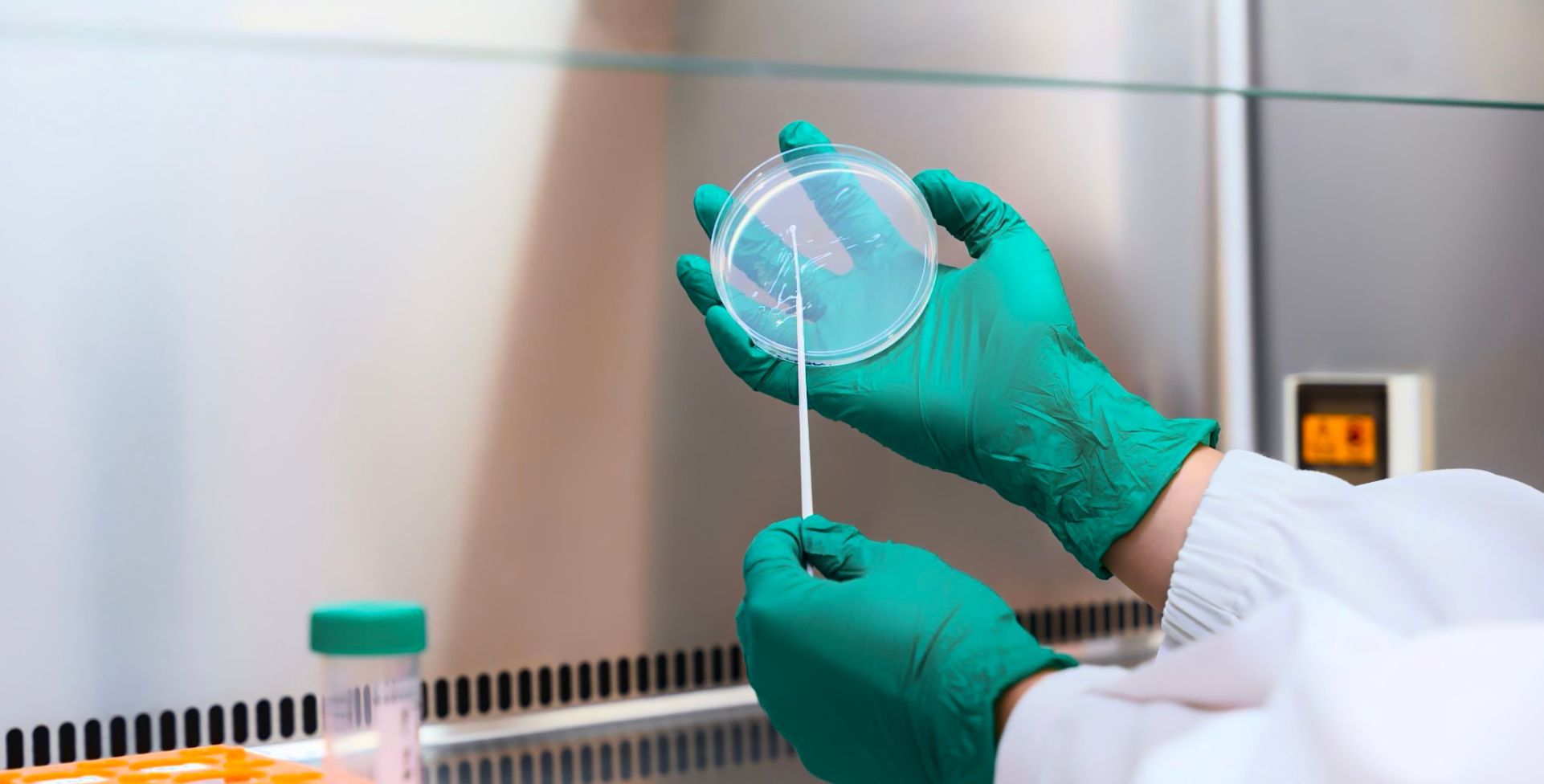
The Microbial Cell Engineering thrust is one of the core components of precision fermentation. It focuses on selecting, characterizing, and engineering high-performing host strains that are safe for food production and fermentation. Developing genome-editing methods for food production-friendly Generally Recognized as Safe (GRAS) microorganisms, such as non-conventional yeast strains, fungi, and food-fermenting bacteria, are used to maximize the production of target products namely, proteins, lipids, and nutrients, while minimizing the byproduct formation from cost-effective substrates.

The Challenge 

One of the key challenges of precision fermentation involves managing consumers’ perceptions and safety concerns of the use of microorganisms and genetic engineering. Traditional genetic engineering methods utilize antibiotic resistance genes for microbial selection, and they are not viable for large-scale operations, as the potential release of engineered microorganisms may pose downstream effects on human and environmental health. A technical concern exists in strain development where, despite the availability of basic genetic toolkits and biological parts, a more in-depth understanding and precise engineering are required for high-yield, industrial strains.

Consequently, identifying potential bottlenecks during the production strains engineering process is essential to accelerate the implementation of the metabolic pathways.

The Solution

To resolve the complexity of consumer perceptions and safety concerns, precise genome-editing method is essential to safely produce food ingredients and fermented foods via precision fermentation. This process ensures only heterologous metabolic pathways for target molecule production while removing endogenous metabolic pathways that produce toxic metabolites and anti-nutrients.

Adaptive laboratory evolution (ALE) and high-throughput screening (HTS) serve as alternative strategies, complementing targeted genome editing with non-targeted host engineering approaches. As this approach does not introduce foreign DNA into microbial hosts, the product is not classified as genetically modified organisms. Together with the integration of the HTS platform, it identifies high-performing strains among the generated production pool.

Download Resources

Browse all insights and latest updates

Team